
A Direct Look at the Real Breakdown Data
Ask any facility manager about their service tickets. Water dispensers are notoriously high-maintenance appliances.
At JNOD, our engineers analyze warranty returns every year. The pattern never changes. Over 80% of service calls stem from outdated heating tank designs, mineral calcification, and degraded internal seals.
Traditional dispensers rely on open water tanks continuously keeping water hot. That single architectural choice triggers a domino effect of mechanical problems.
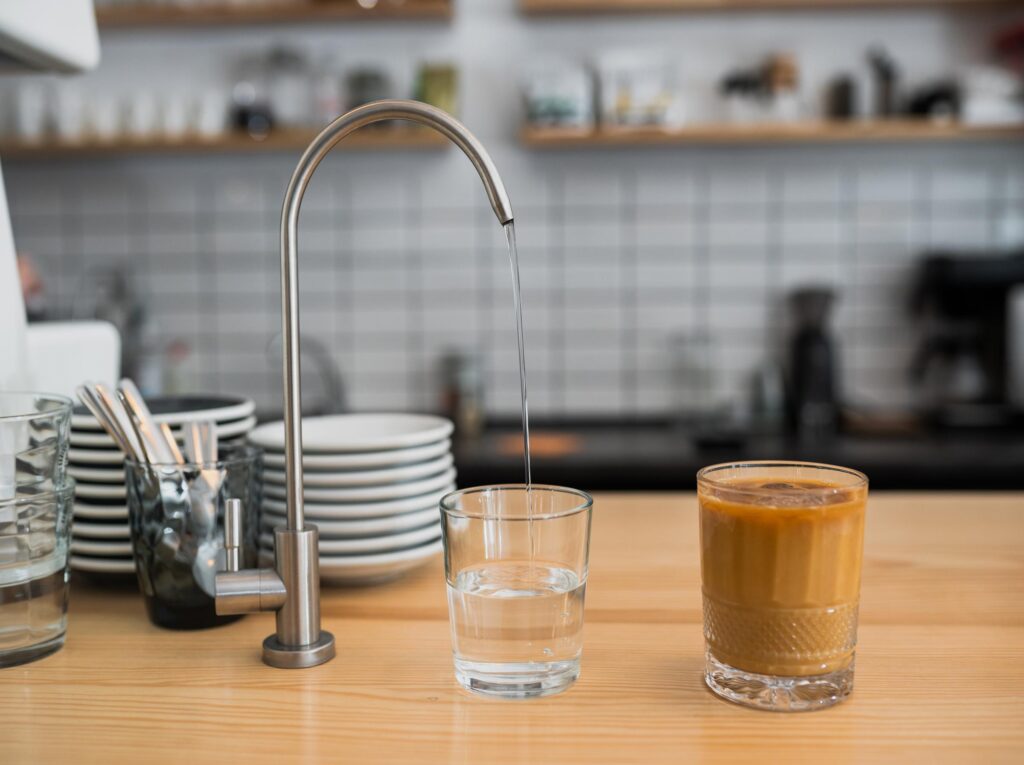
The Big Three: Where Traditional Dispensers Fail
1. Temperature Instability and Lukewarm Delivery
Ever push the red lever expecting steaming water, only to get lukewarm liquid?
Traditional dispensers wrap electric heating bands around a stainless steel reservoir. As the unit cycles on and off thousands of times, the heat transfer compound breaks down. Heat stops transferring effectively into the water.
Furthermore, cold-water performance drops when dust clogs the rear condenser coils. The compressor overheats and trips the thermal safety limit, leaving users with room-temperature water.
2. Microscopic Leaks and Floor Damage
A puddle underneath a dispenser is usually caused by two culprits:
- Thermal Stress Cracks: Welded seams inside stainless steel tanks expand and contract constantly. Over time, these welds develop microscopic stress fractures.
- Hardened Silicone Seal Ring Failure: Cheap rubber O-rings harden and shrink under continuous exposure to hot water, causing silent internal leaks inside the cabinet.
3. Foul Tastes and Biofilm Buildup
Standing water is the enemy of fresh taste.
When water sits idle in a warm internal tank over the weekend, bacteria and algae form a thin film on the walls. According to CDC guidelines on drinking water safety, unmaintained water contact surfaces quickly harbor bacterial colonies. Low-grade PVC tubing can also leach plasticizers into standing water, leaving a harsh chemical aftertaste.
The Hidden Root Cause: Scale Accumulation
Mineral scale destroys heating elements faster than any other factor.
Hard water contains calcium and magnesium. When water hits 60°C inside a traditional tank, these minerals precipitate out and attach directly to the heating element.
This crust acts as a thermal insulator. The heating element has to burn much hotter just to penetrate the scale layer. Eventually, the heating wire burns itself out from thermal overload.
To stop this cycle, water must be heated instantly without resting on hot heating coils.
Technical Comparison: Tank vs. Instant Heating
| Operating Parameter | Traditional Tank Dispenser | JNOD Cast Aluminum Engine |
|---|---|---|
| Heating Core | Welded Tank with External Band | Water-Electric Separated Cast Aluminum Block |
| Scale Susceptibility | High (Heavy Calcification on Tanks) | Minimal (Seamless Waterway, No Stagnant Heating) |
| Water Contact Safety | Risk of Weld Seam Corrosion | 100% Isolated Pure Water Pathway |
| Standby Power Draw | High (24/7 Continuous Reheating) | Zero (Only Consumes Power During Dispensing) |
How JNOD Reengineered the Heating Module
We eliminated the internal hot water tank.
Our commercial dispensers use a high-density cast-aluminum instant heating module. The heating element is fully encapsulated inside a solid aluminum alloy block, keeping electrical components completely separate from the water pathway.
When a user presses the tap, cold water flows through a polished internal channel and heats instantly within 3 seconds.
Because water never sits inside a heated tank, scale cannot settle on heating surfaces. This single design upgrade eliminates tank leaks, cuts standby electricity costs to zero, and extends the unit’s lifespan significantly.
To maintain water quality over time, sourcing source water should also comply with basic filtration practices outlined in EPA drinking water regulations.
Practical Maintenance Checklist
Want to keep your current fleet running smoothly? Follow these three rules:
- Quarterly Citric Acid Flushes: Run a warm food-grade citric acid solution through the lines every 90 days to dissolve early mineral buildup.
- Clean Rear Condenser Dust: Vacuum the rear cooling grid every six months to prevent compressor overheating.
- Replace Silicone Hoses Annually: Swap out internal flexible tubing during major service intervals to prevent sudden seal ruptures.
Frequently Asked Questions
Why does my dispenser leak from the bottom cabinet?
Bottom leaks are typically caused by cracked weld seams in the internal heating tank or hardened silicone hose connections that have lost elasticity.
How does instant cast-aluminum heating prevent mineral scale?
Cast-aluminum instant heaters heat water on demand through a smooth, seamless channel. Because water does not sit stagnant in a hot tank, minerals cannot easily bake onto the surfaces.
Why does new dispenser water sometimes taste like plastic?
New silicone tubing and plastic components can off-gas during initial use. Flushing 5 to 10 liters of water through the system before first use clears the taste.
Partnering with JNOD for Zero-Defect Hydration Products
Stop losing margin on frequent warranty service calls. JNOD manufactures high-reliability water dispensing appliances and instant-heating OEM modules engineered for commercial and residential distributors.
Explore JNOD Water Dispensing Solutions — Get in touch with our engineering team for technical catalogs, CAD files, and custom OEM manufacturing quotes.

 English
  Arabic
  Russian
  Spanish